Every animal, every case, every naira — in one place.

LambuVet keeps farmers, flocks, herds and clinical history together: who keeps what, what was treated, what it ate, what it produced and what it cost. Built for the way livestock is actually kept in Nigeria.

Registering takes a minute and creates your account and your first farm together.

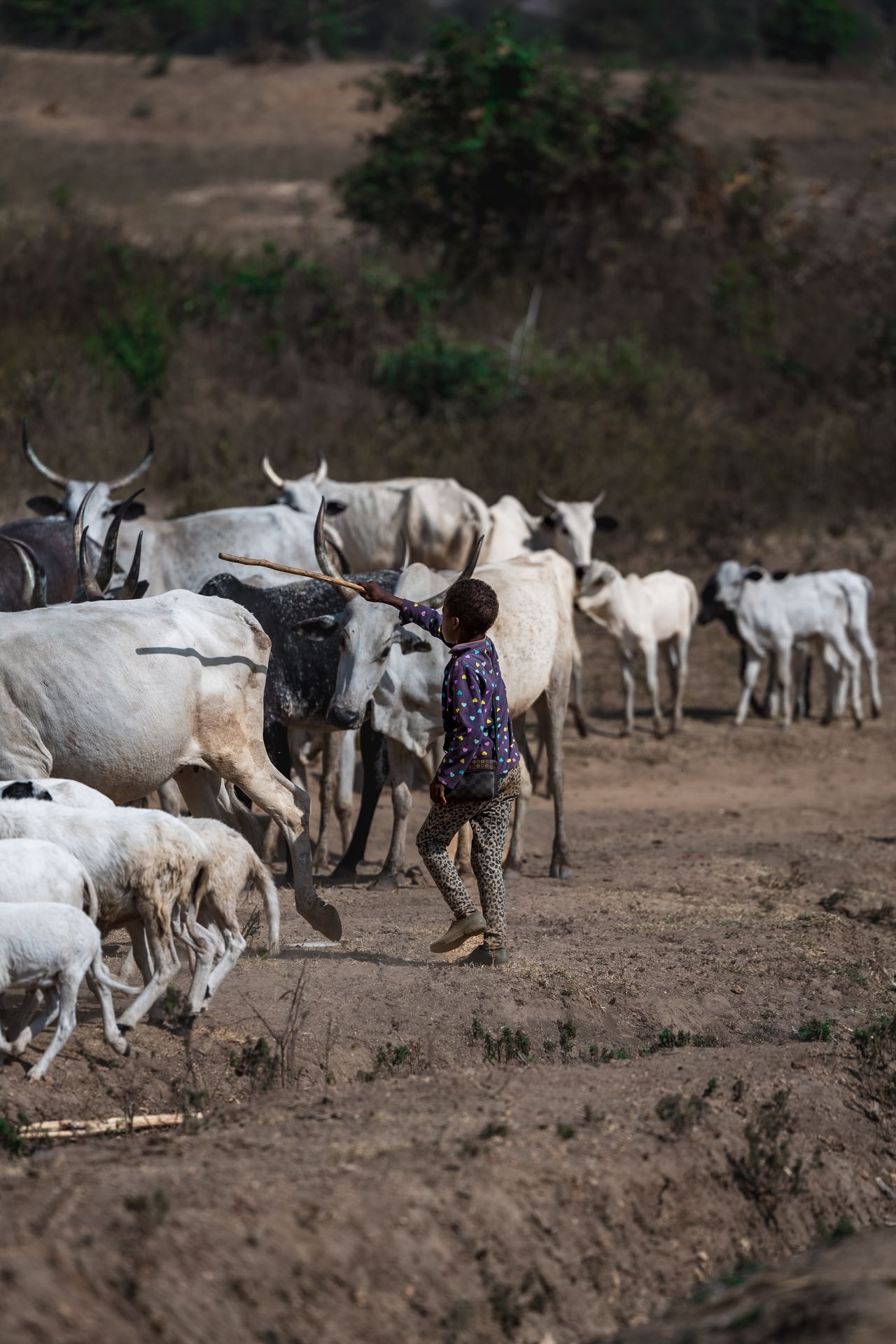
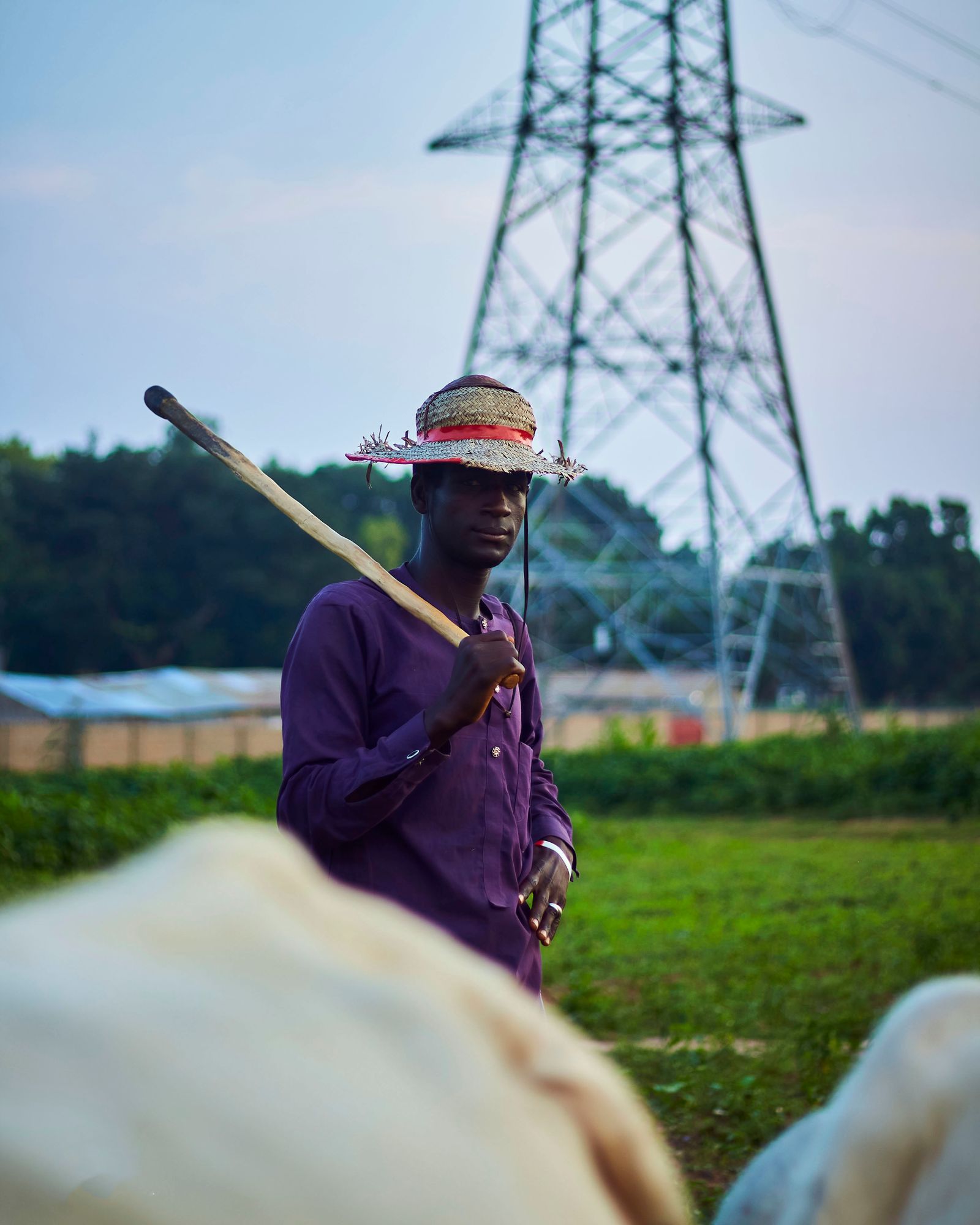
A young herder leading cattle through the Nigerian countryside

The platform

Built around how livestock is really kept

A dairy herd is followed animal by animal. A poultry house is one flock with a head count. Both are first-class here, and a farmer can keep some of each.

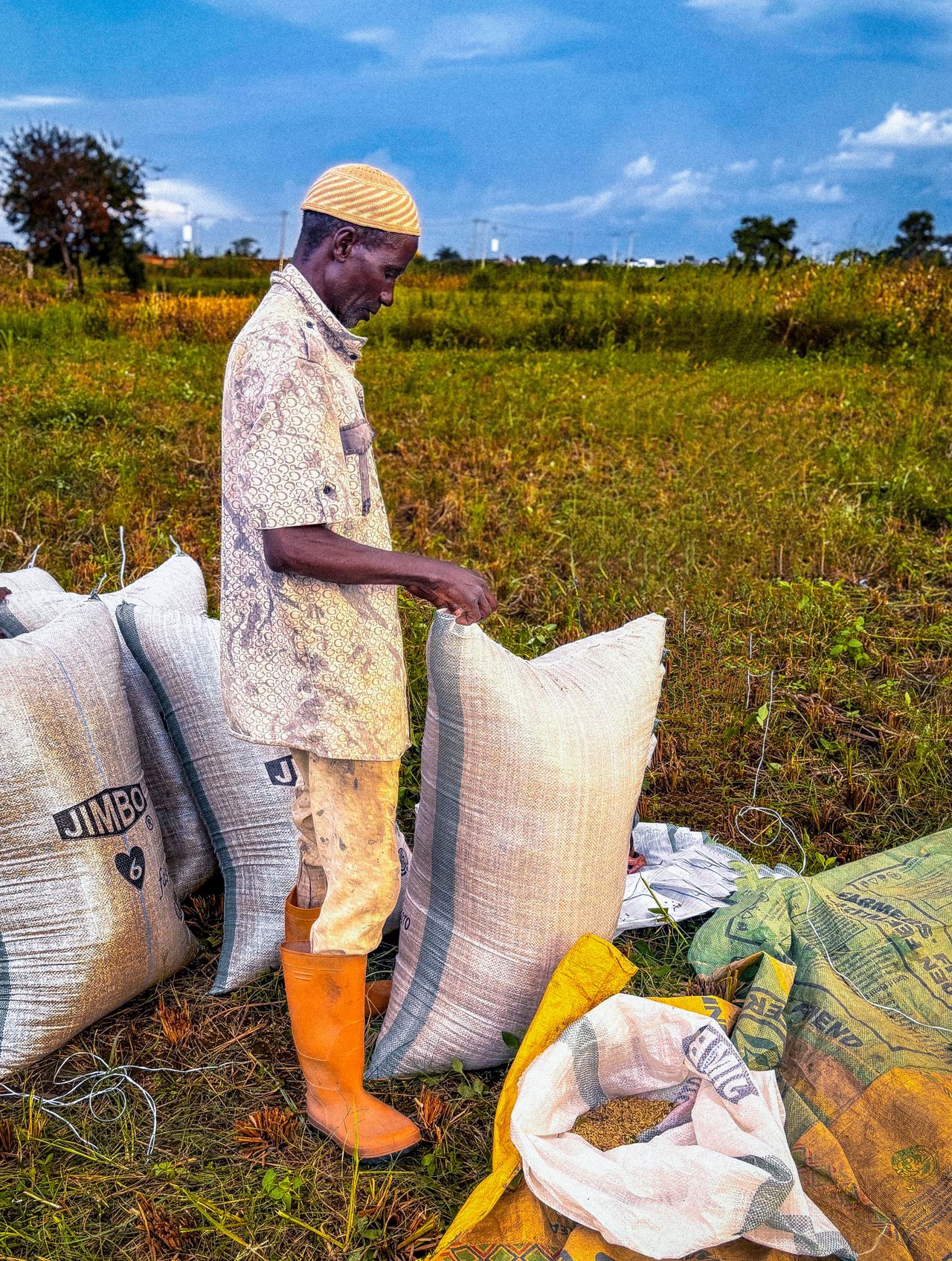
A farmer packing harvest in Kaduna, Nigeria

One identifier per farmer, for life

Every farmer is registered once and issued an identifier they keep — printed on a card, read down a phone line, and joining everything filed under it: their ward, their animals, their cases, their cover. A farmer who moves keeps the number they were given.
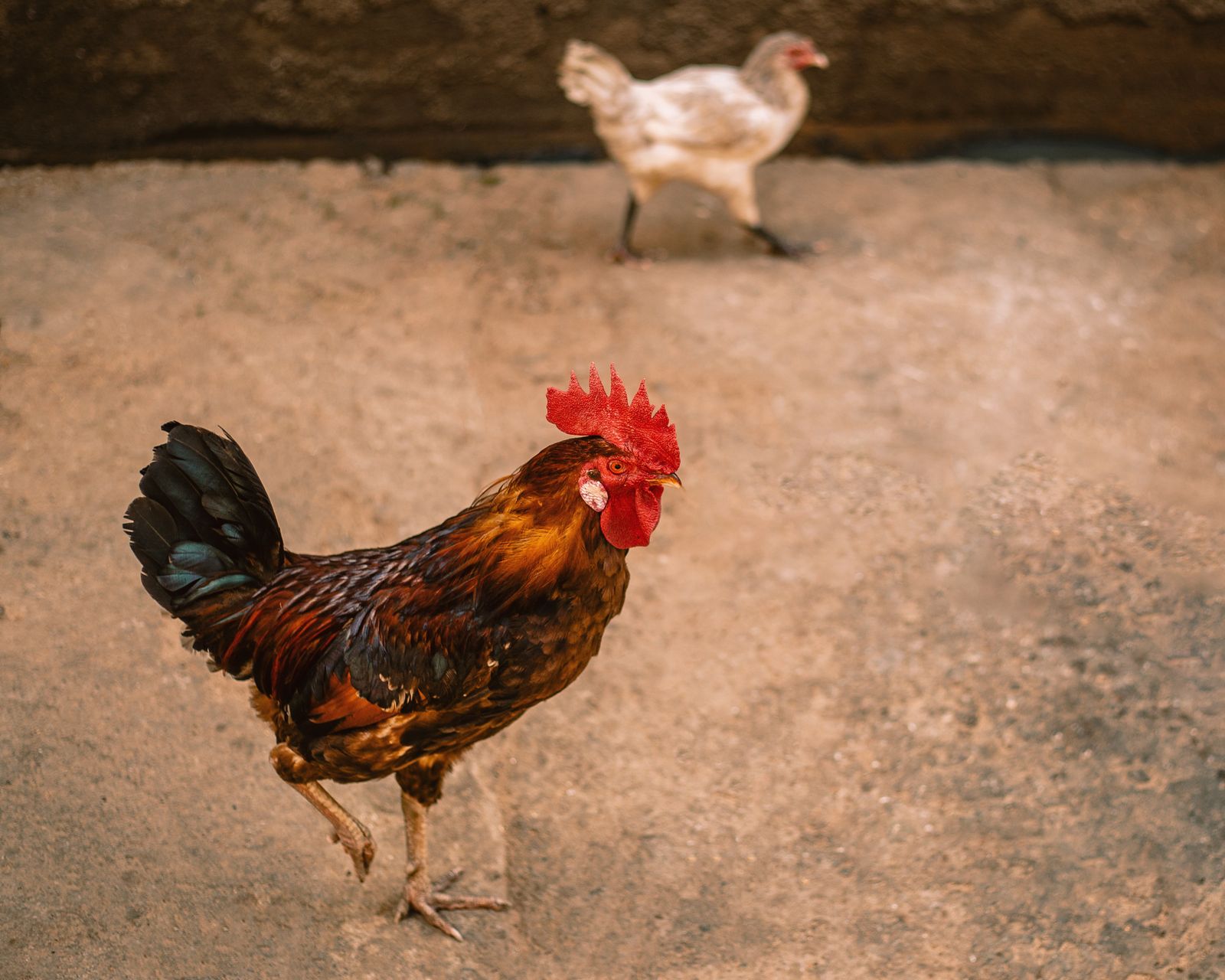
A rooster and hen outdoors in Kaduna

Five thousand birds, one record

Nobody tags five thousand chickens, and a platform that insists on it does not get used. A flock is one record with a head count, and every death, sale and stocking moves that count through a ledger nothing can edit after the fact.

A farmer tending cattle

Animal records that follow the animal

For herds where individuals are tracked: tag numbers, breed, parentage and a lifetime history. Every weight, movement, treatment and vaccination on one timeline. Open an animal and you see everything that has ever happened to it.

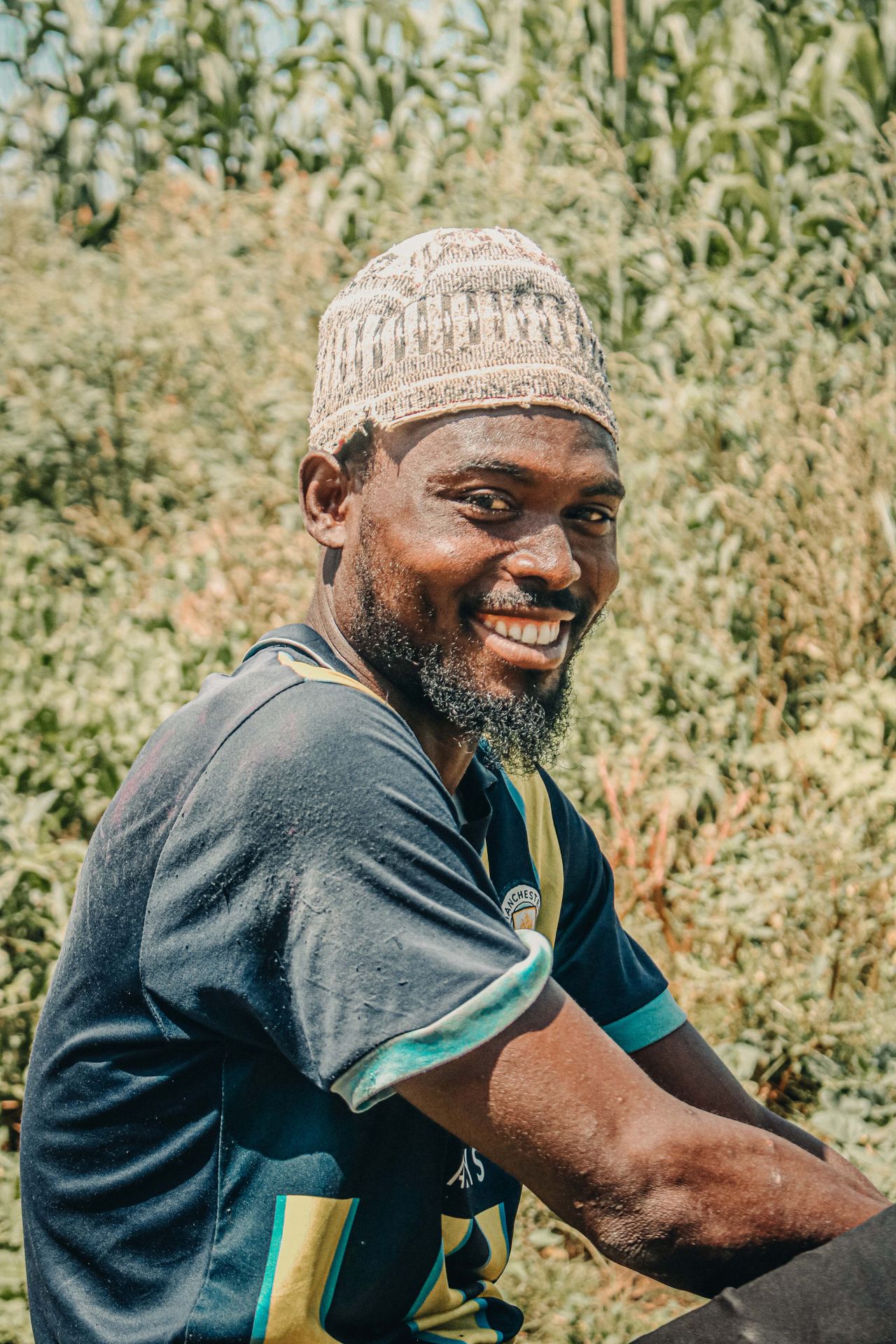
A smiling farmer standing in a Nigerian field

Cases from the field to resolution

A farmer reports a concern, a vet triages it, records findings and treatments, and closes it with an outcome. Nothing is lost in a phone call or a notebook.

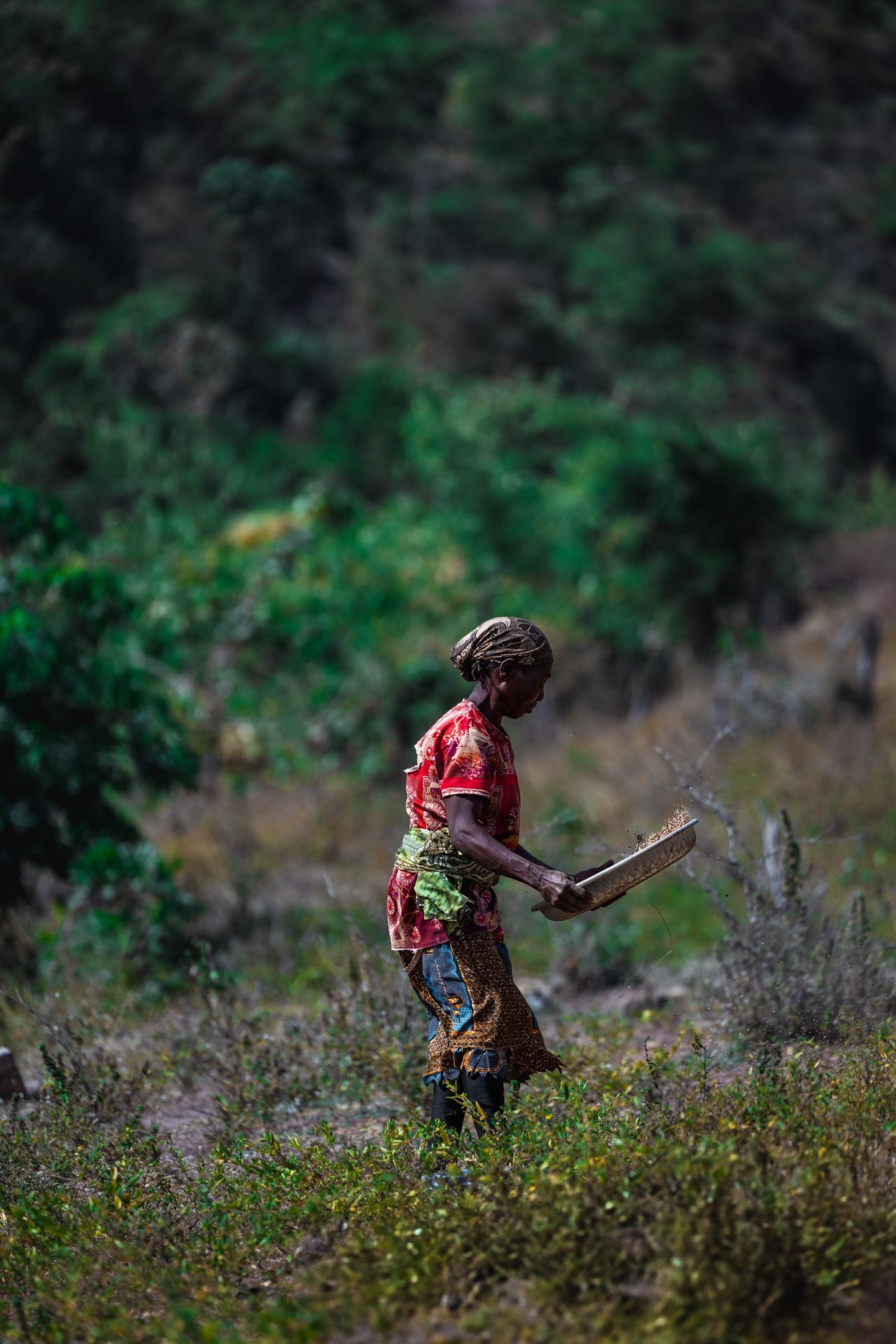
A woman harvesting in rural Nigeria

Who it is for

Farmers, the vets who attend to them, and whoever runs the programme

A farmer is registered once and issued an identifier they keep for life. A field officer records what they find on the day. A vet takes the case. An administrator sees across every ward and farm, and a funder gets figures that can be checked against the records they came from.

Questions

The ones people ask first

Who is LambuVet for?
Livestock farmers, the veterinary staff who attend to their animals, and the organisation coordinating both. Farmers are registered by field officers or themselves; veterinary and field staff handle the clinical work; administrators see across every farm and ward.
Is it only for cattle?
No. Cattle, goats, sheep, poultry, swine, camels, rabbits and fish are all supported out of the box, seeded with the breeds actually kept in Nigeria — White Fulani, Sokoto Gudali, Red Sokoto, Balami, Noiler and the rest.
Do I have to record animals one by one?
Only where it makes sense. A dairy herd is tracked animal by animal; a poultry house is one flock with a head count. Both are first-class in the platform, and a farmer can keep some of each.
Do I need to be online all the time?
LambuVet runs in a browser, so you need a connection to record or read data. It is built to stay usable on a modest mobile connection — the fonts and assets are served from the platform itself rather than fetched from elsewhere.

Start with one farm.

Register, add your animals or your first flock, and record what happens to them. Everything else — cases, feed, cover, reports — builds on that.

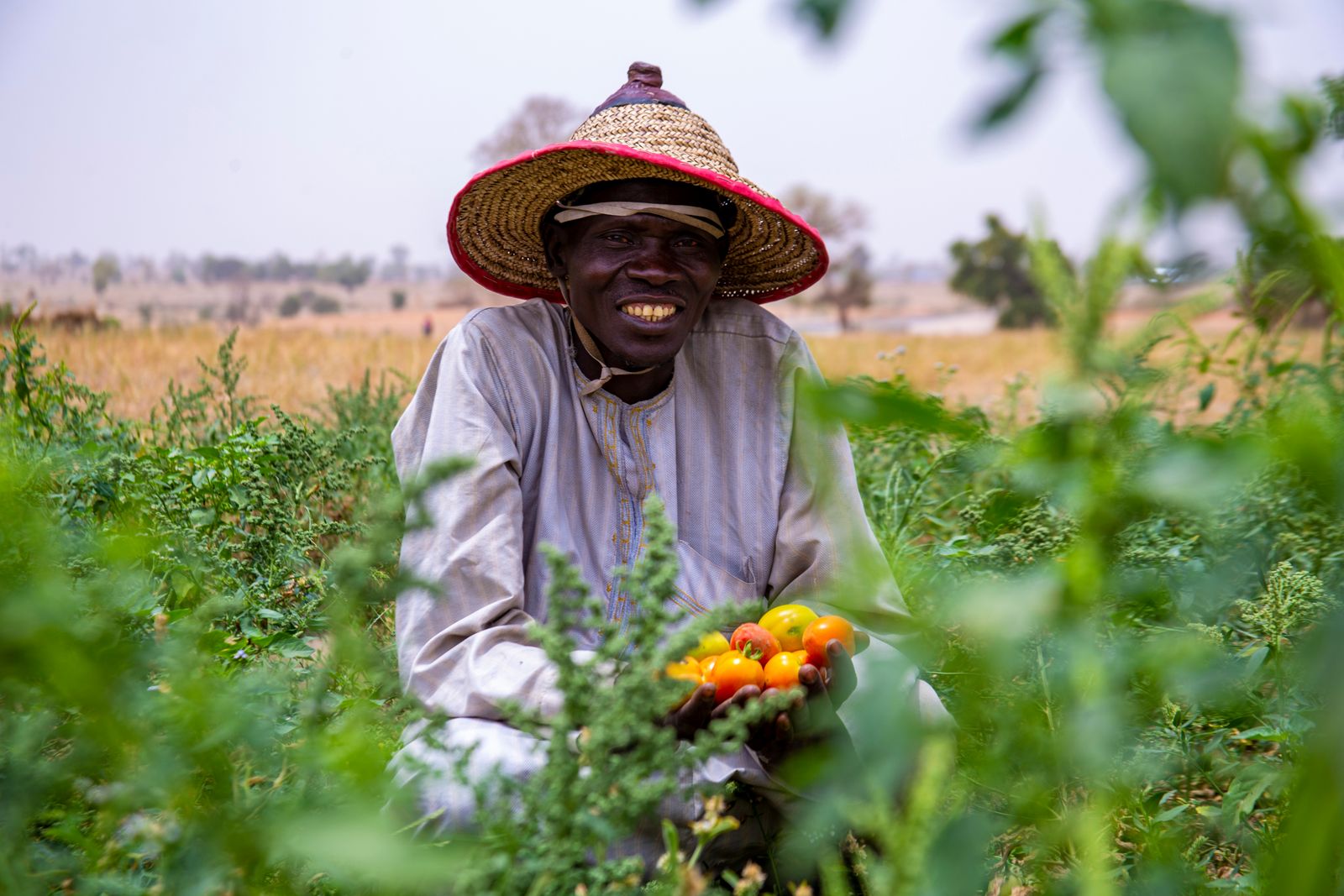
A smiling Nigerian farmer holding fresh tomatoes